Spalted and Figured Wood: What Causes It and How to Use It
Some of the best-looking timber started out as the plainest. Spalting and figure are what turn an ordinary board into one people stop and look at. Here is what causes them, and how to use them.
What spalting is
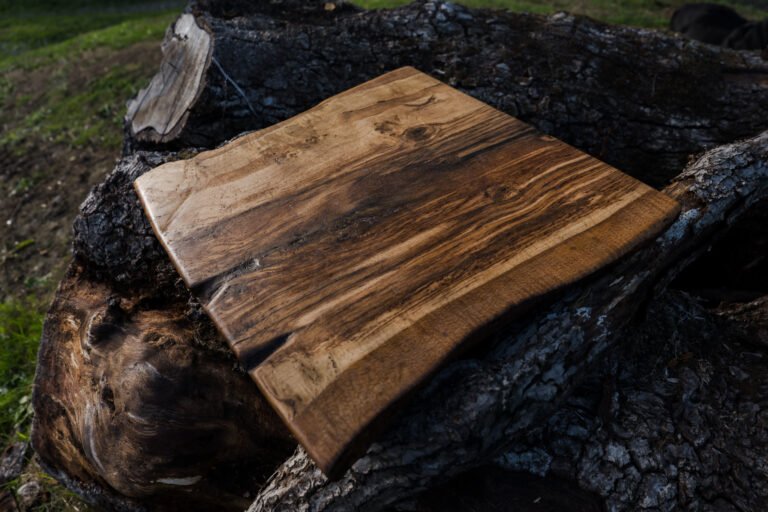
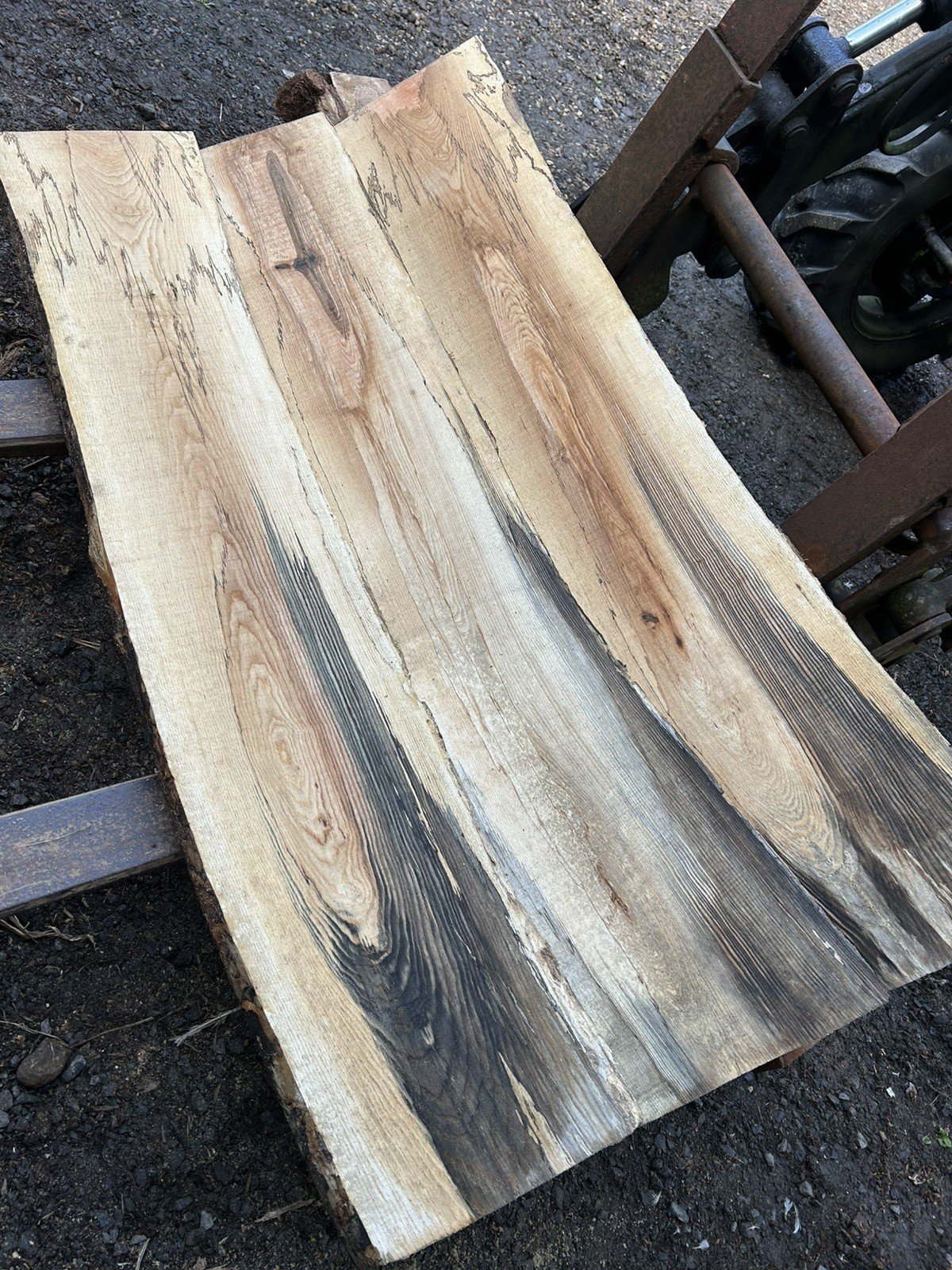
Spalting is the dark, inky lines and patches you see in some boards. It is the early work of fungi in the log, before decay sets in properly. Caught at the right time it draws those black zone lines and softens the colour into something you could not design. Left too long and the wood goes soft. The skill is taking it at the point where the figure is there but the timber is still sound. Our spalted ash and oak are cut at that point.
What figure is
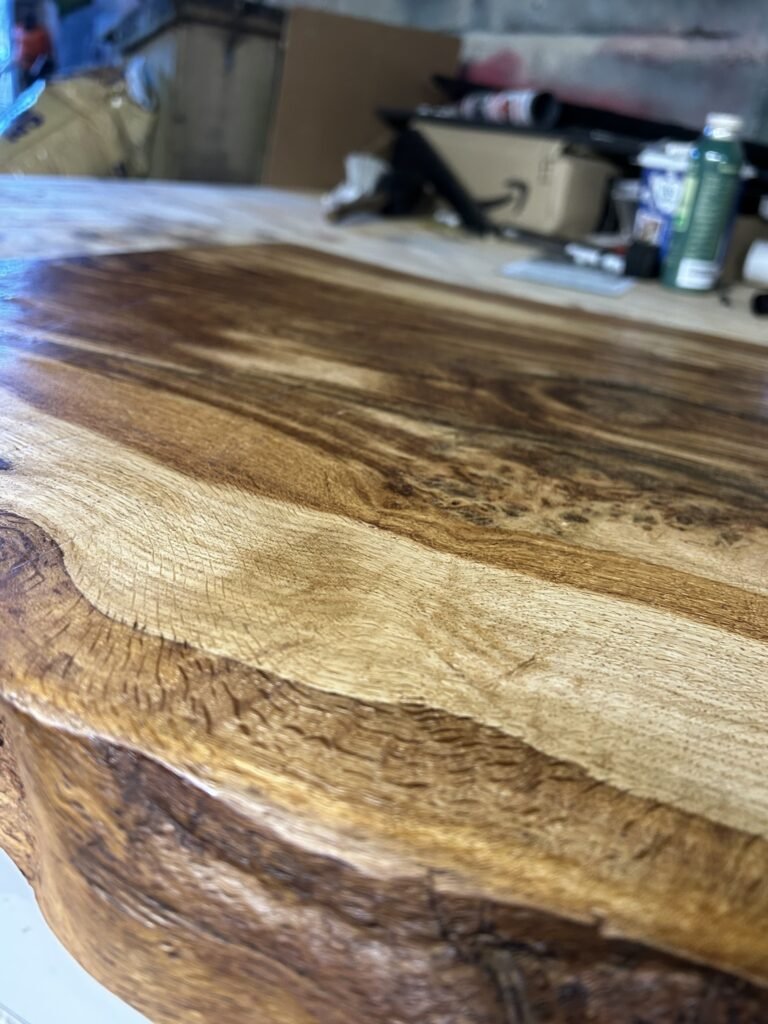
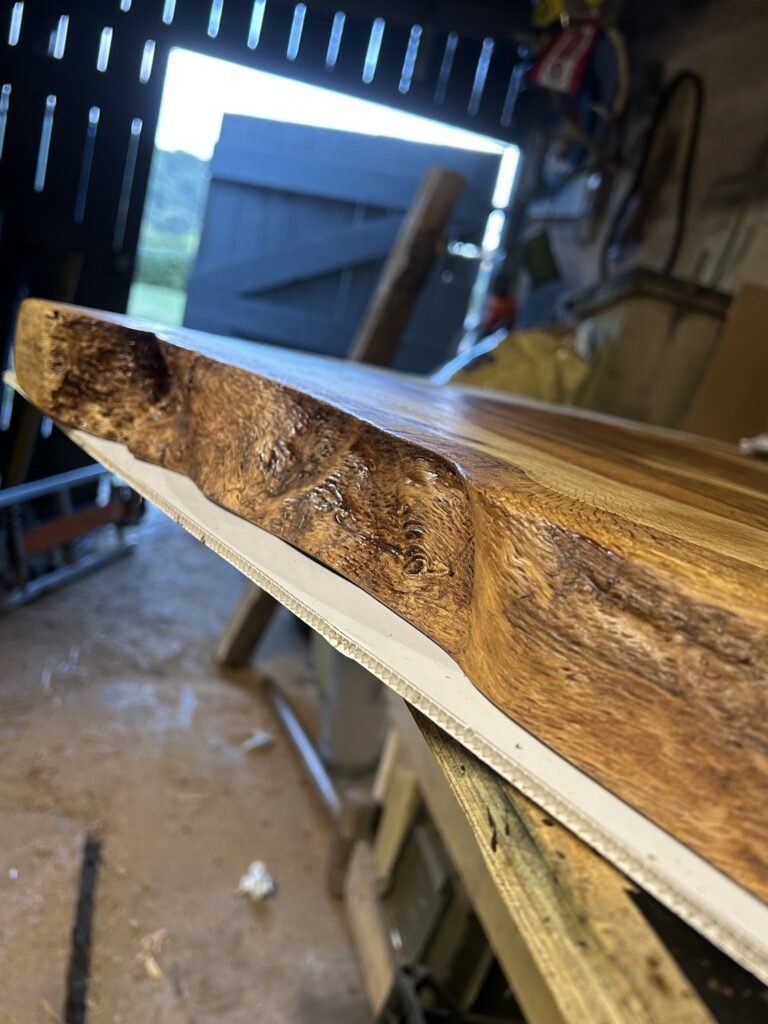
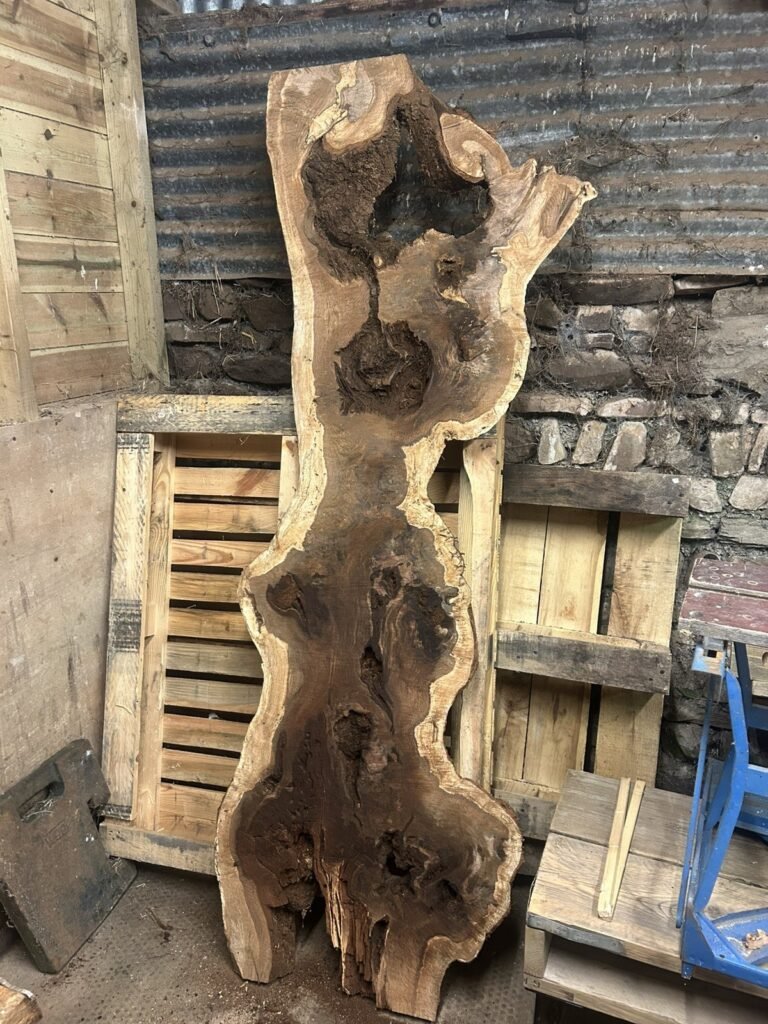
Figure is the pattern in the grain itself: burr, ripple, pippy, and the swirl you get around a knot or a root. Burr, the cluster of dormant buds that makes a ball of swirling grain on a trunk, is the most prized. It is harder to work and cut, which is part of why figured timber costs more, but the look is the whole point.
Using it
Figured and spalted boards are made for the pieces where the wood is the hero: a tabletop, a serving board, a box lid, a turned bowl. For a resin river table, burr and character oak give the drama. Keep the board where it will be seen, not buried in a frame.
Working with it
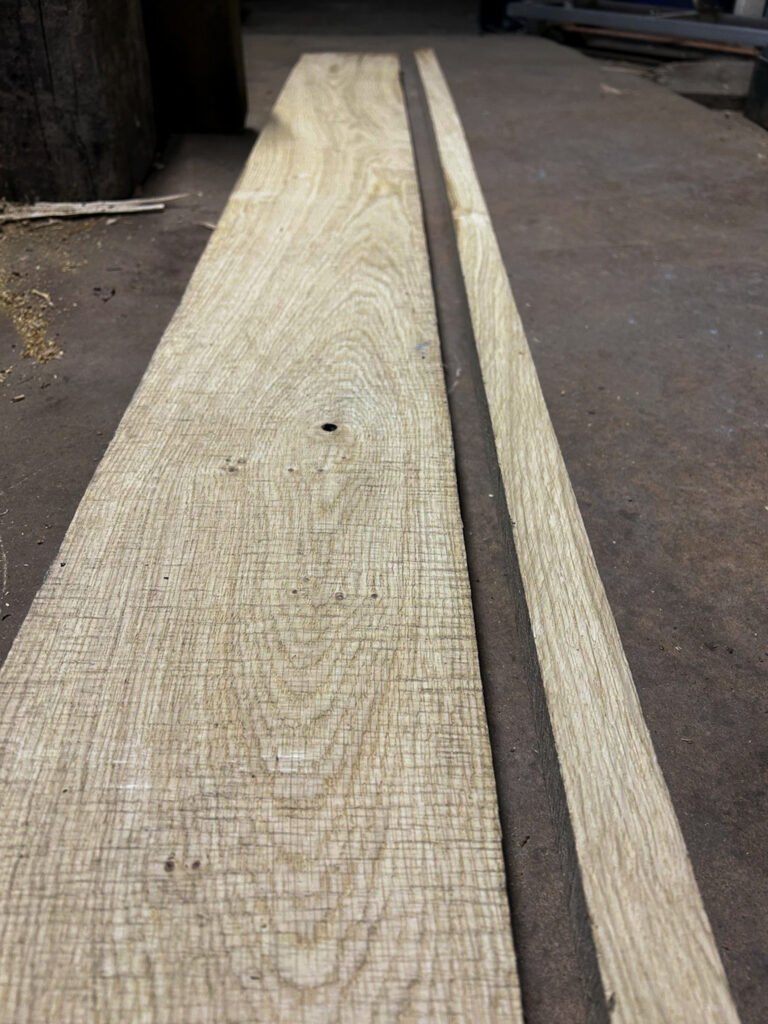
Spalted and figured grain can tear out when you plane it, because the grain runs in several directions at once. Take light cuts, keep tools sharp, and finish with a scraper or careful sanding. A clear oil lifts the figure best; stain usually muddies it.
Buying it
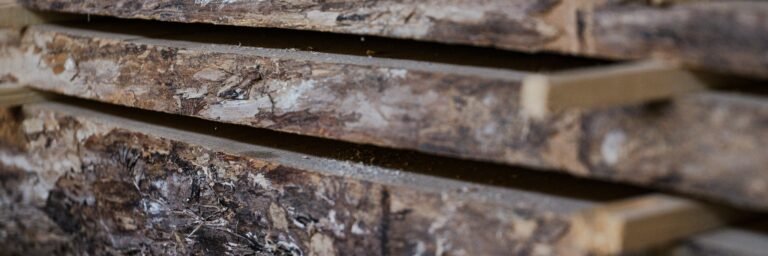
We keep the spalted and figured oak, ash and elm back for exactly these jobs. Tell us the size and the look you are after and we will cut from the right log. Each board is one of one.