Choosing Timber for Outdoor Projects: Oak and Larch
Not every timber belongs outside. For garden projects, cladding and outbuildings, you want wood that handles weather without being treated to within an inch of its life. Here is how oak and larch compare, and what suits what.
Oak outdoors
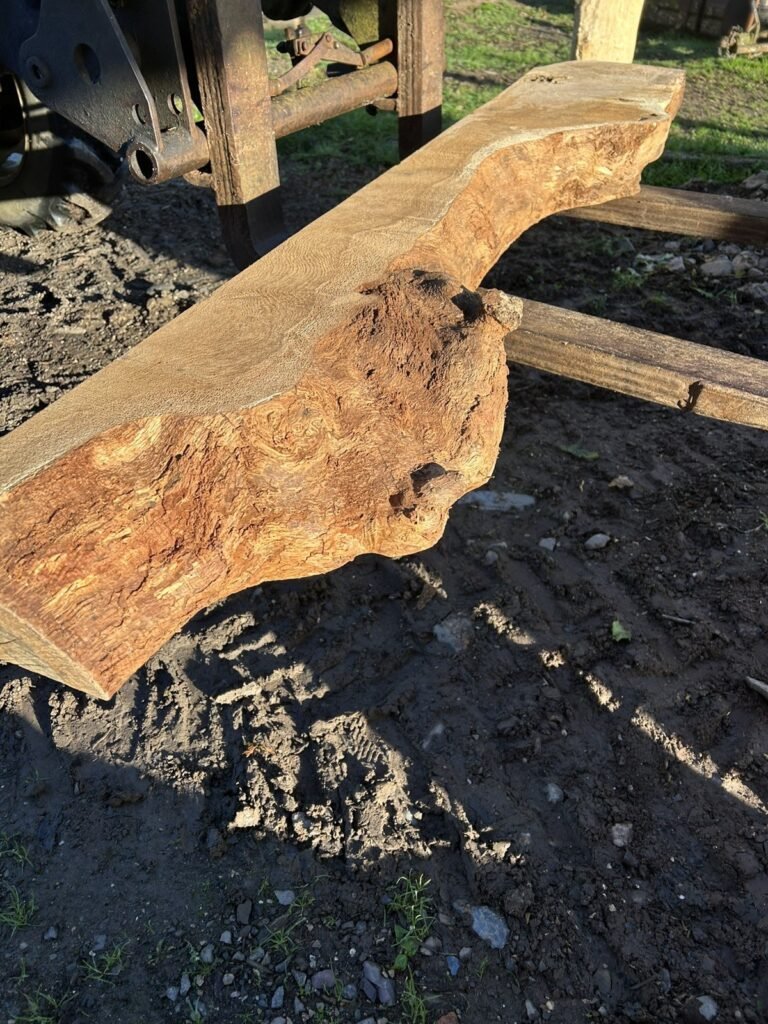
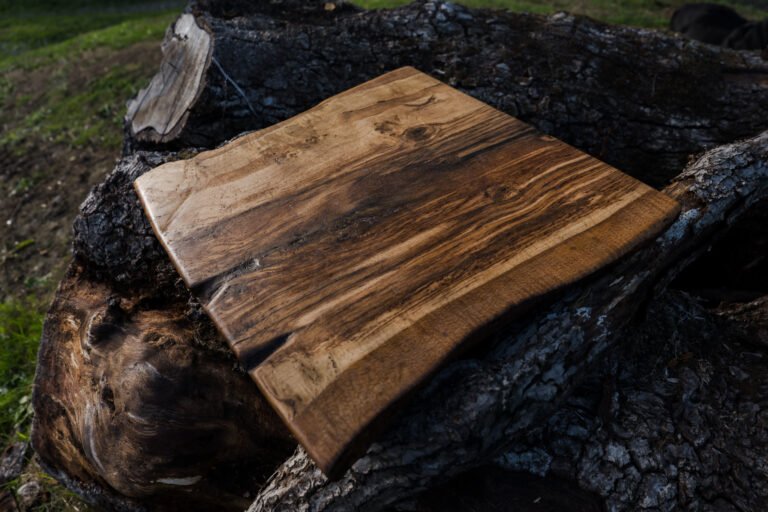
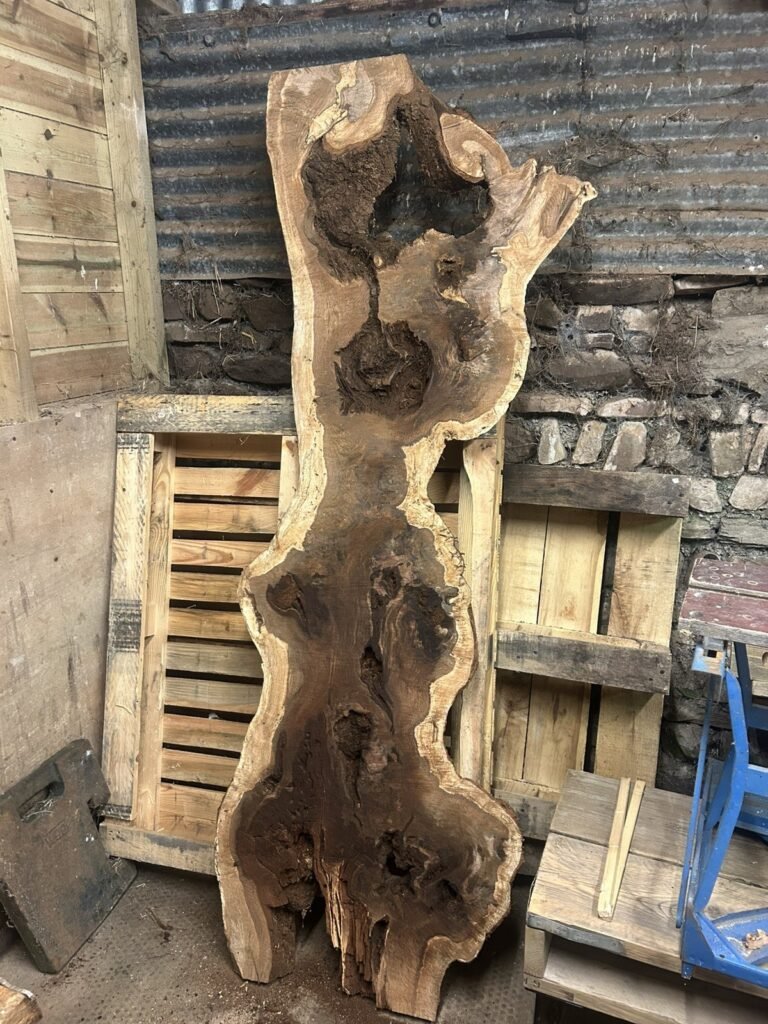
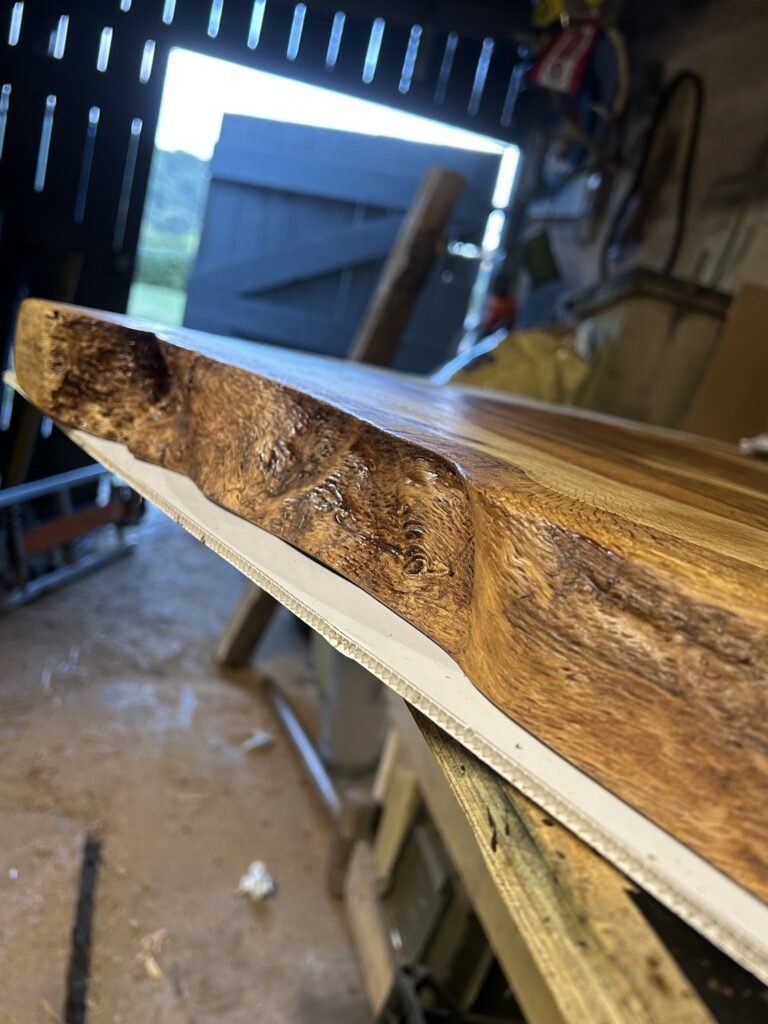
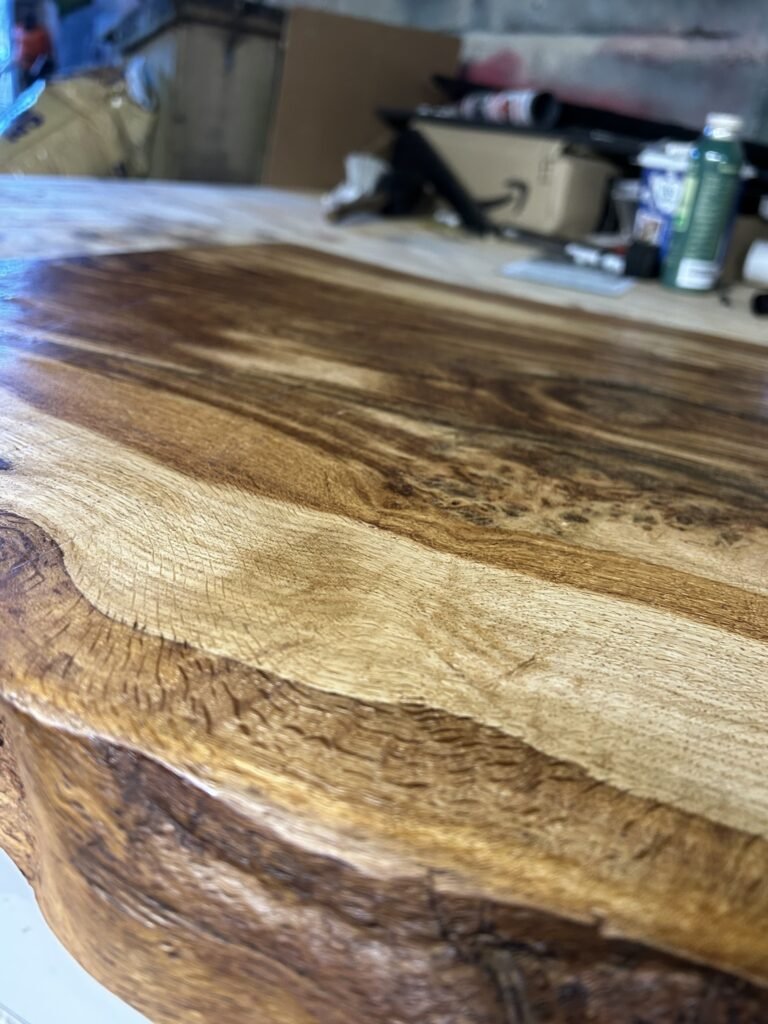
English oak is naturally durable and will last outside for decades untreated. The heartwood is the durable part, so outdoor oak wants to be heart, not sapwood. It weathers from gold to a soft silver-grey. Good for gate posts, sleepers, pergolas, garden furniture, raised beds and structural work. It is dense and heavy, and it will stain when wet against anything with iron in it, so use stainless or coated fixings.
Larch outdoors
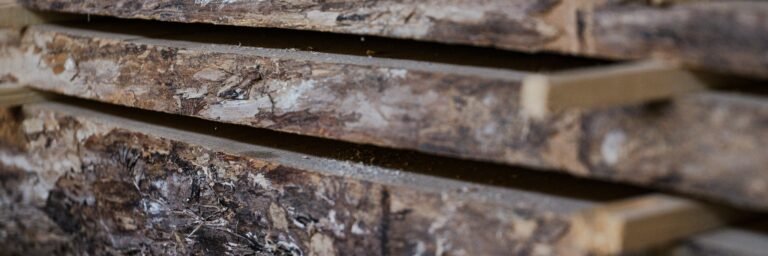
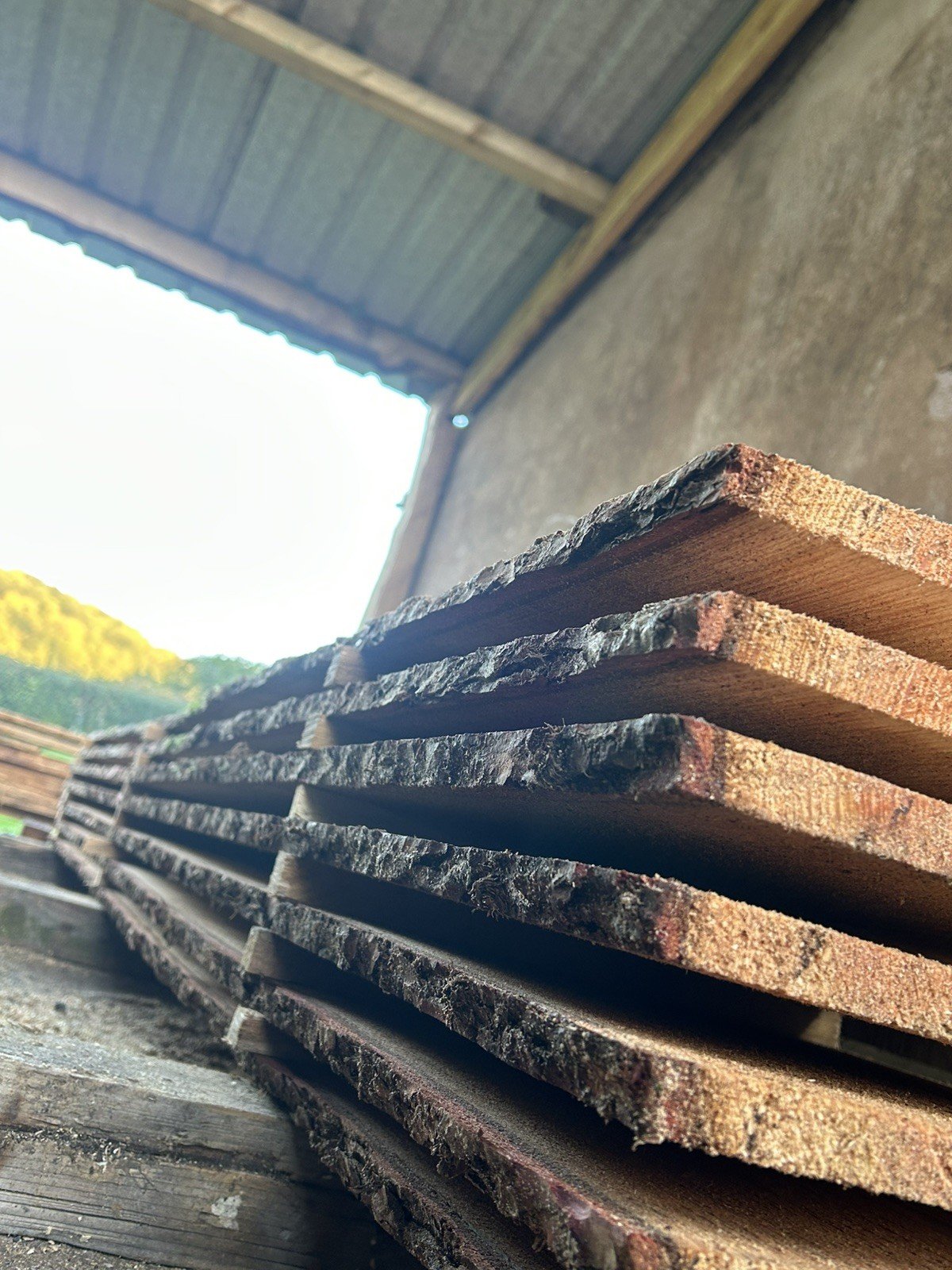
Larch is a softwood, but one of the tougher, more durable ones. It is lighter and easier to work than oak, holds a screw well and also weathers to silver. It is the usual choice for cladding, sheds, cabins, garden rooms and fencing, where you want durability without oak’s weight or price. Our larch cladding comes 20mm thick, square-edged or half square and half live edge for a mixed natural look, sold by the pack.
Which to choose
For structure and long life where strength matters, oak. For covering a building, larch. Many outbuildings use both: oak for the frame and posts, larch for the cladding.
A word on weathering
Both silver down if you leave them. An outdoor oil slows it but needs redoing. Most people let them go grey, which is the low-maintenance choice.
Sourcing
Our oak and larch are locally sourced and milled here in the Exe Valley. Tell us the project, the sizes and the area you need to cover, and we will tell you what we can cut and quote collection or delivery.