Building with Green Oak
Green oak is oak worked fresh from the mill, still wet, and it is how traditional frames have been built for centuries. If you are planning a frame, a porch or a garden structure, here is what working green means.
What green oak is
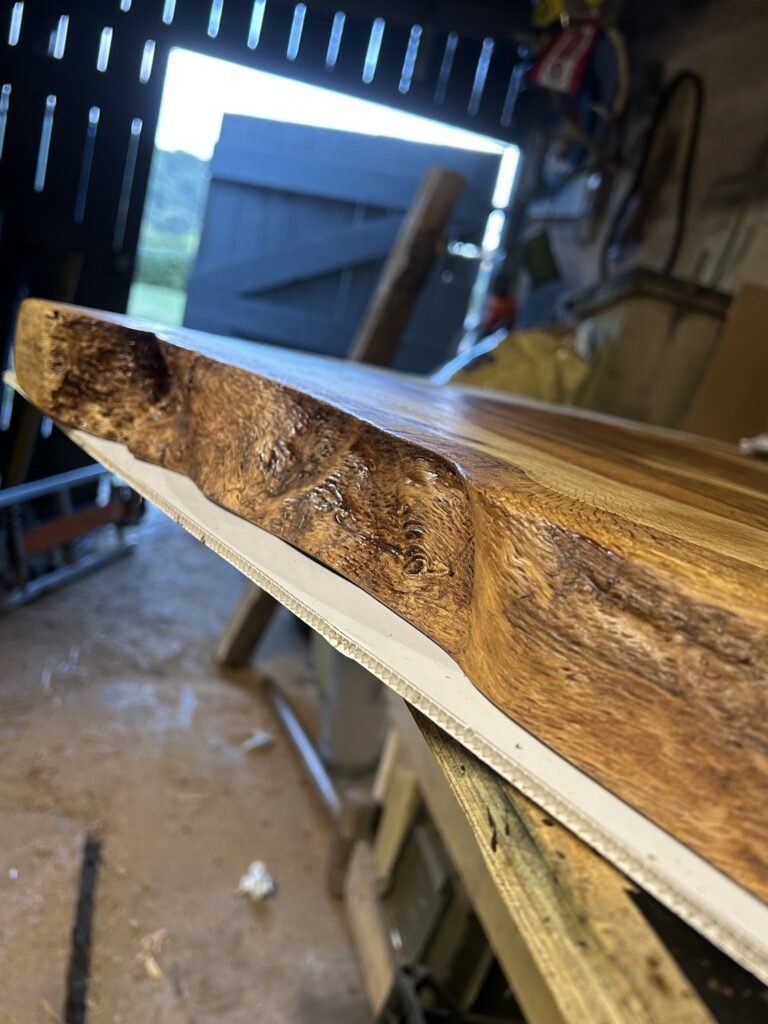
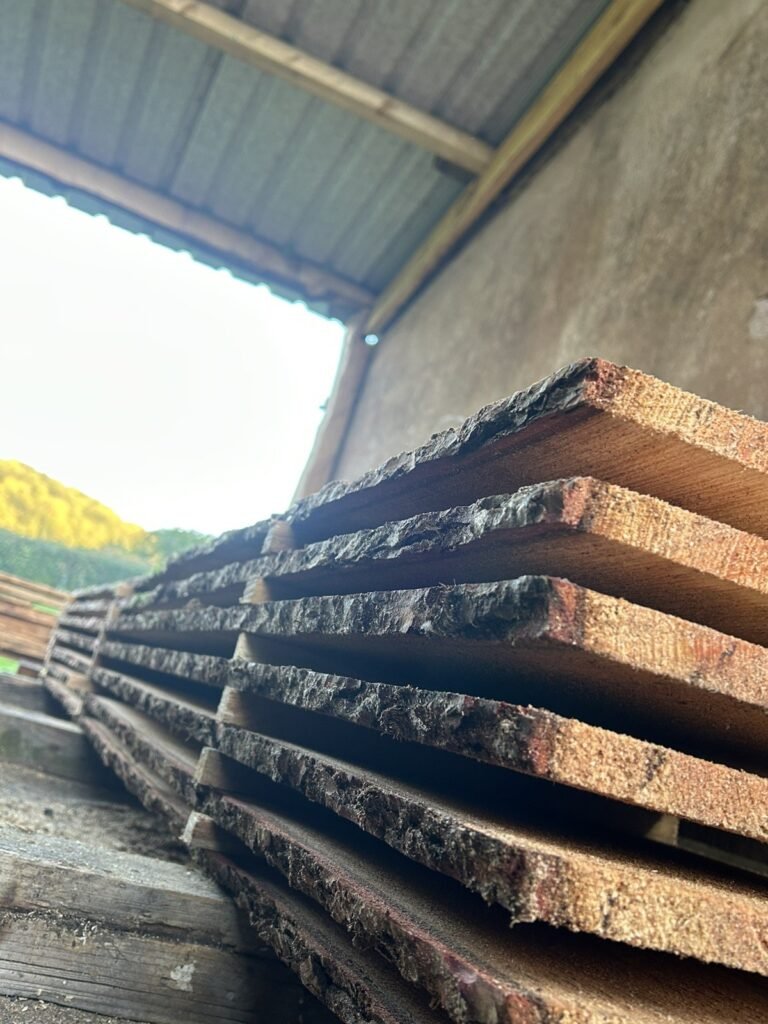
Green oak is timber that has not been dried. It is cut, worked and raised while still full of moisture. It is easier to cut and shape than seasoned oak, which matters when you are chopping mortices and tenons by hand, and it costs less because it has not spent years drying.
How it behaves
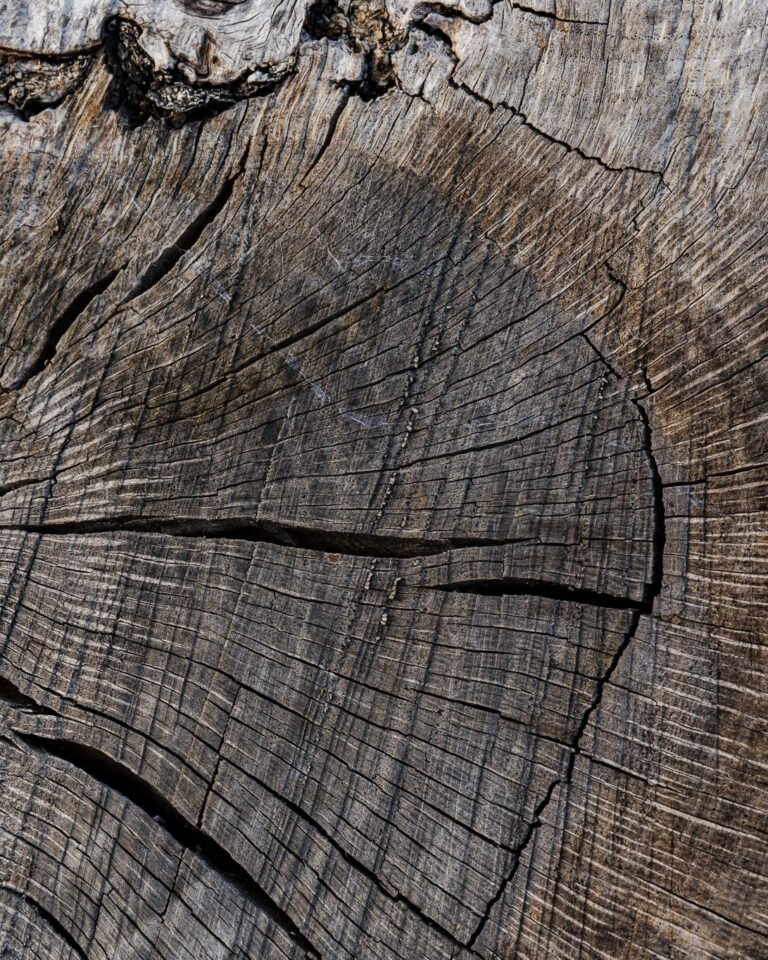
As a green frame dries in place, it shrinks across the grain, twists a little and checks along the length. This is normal and expected. Traditional joints, the mortice and tenon pegged with oak, are designed to pull tighter as this happens. The frame settles and locks itself together over the first year or two. Those surface checks are not weakness; they are the timber drying, and they run along the grain, not across it.
Designing for movement
Work with the shrinkage, not against it. Peg joints rather than relying on glue or steel, allow for the frame to move against masonry and glazing, and detail so settlement does not open gaps where they matter. If in doubt, a frame carpenter or engineer will detail it for green oak.
Sections and sizes
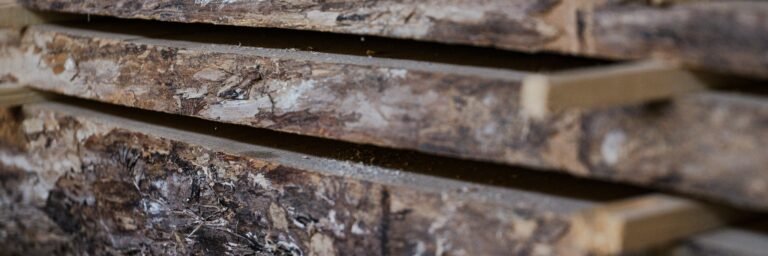
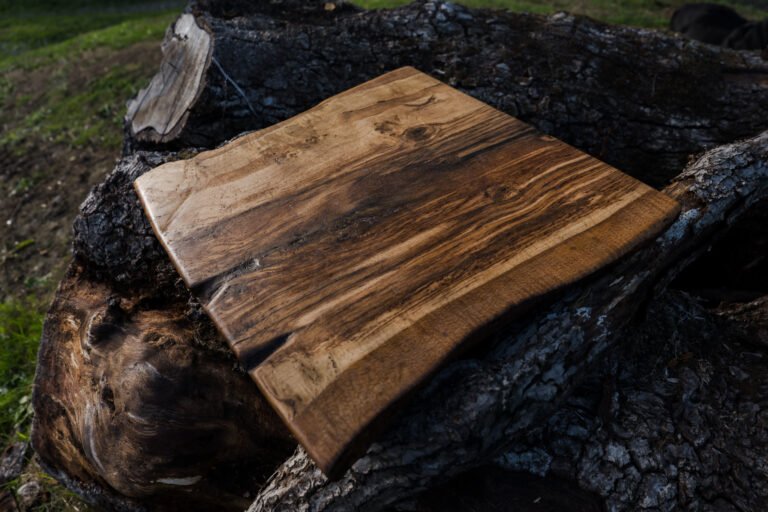
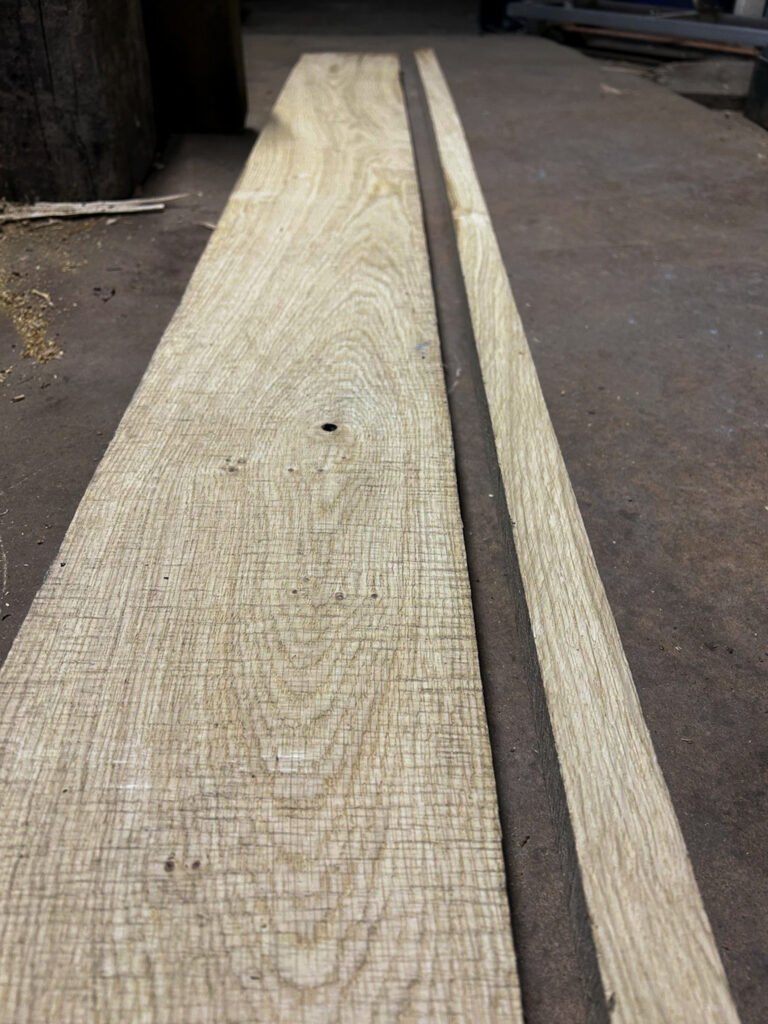
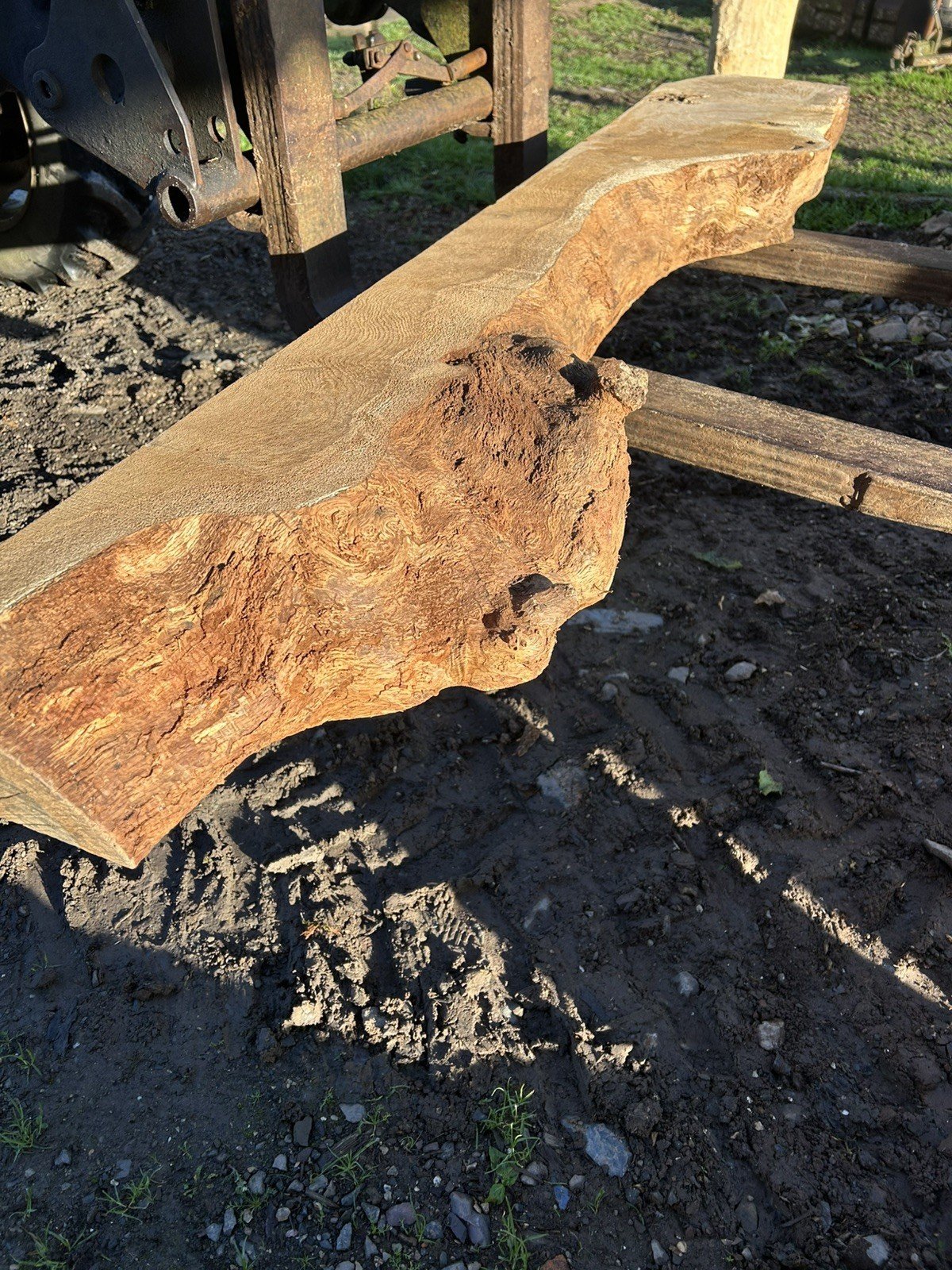
Frames want honest heart-oak sections: posts, beams, braces and plates, plus whole trunk sections and large rounds for round-wood and reciprocal framing. Tell us the sizes on your drawing and we will cut from the right log.
A note on grading
If your build needs structurally graded timber signed off for load, that is a job for your engineer. Tell us the graded sizes they specify and we will cut to them. Send us your cutting list and we will tell you what we can cut and quote collection or delivery.